
Terra & Tide
Bali
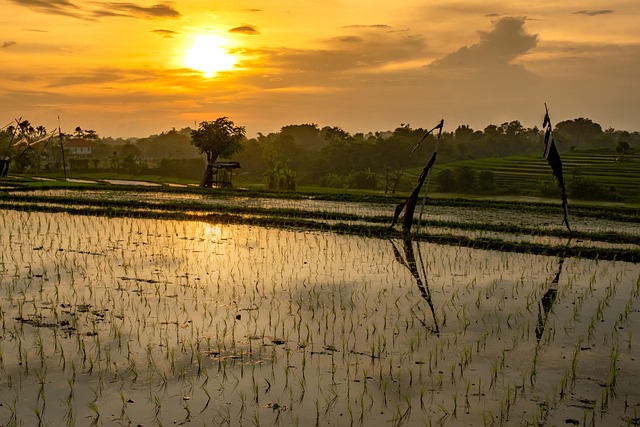
Bali is a small Indonesian island with an outsized reputation, and for good reason. Within a couple of hours' drive you can go from surf beaches to rice terraces, from volcano summits to temple-studded coastlines, and from lively beach clubs to quiet villages where offerings of flowers and incense are laid out every morning. It is the only Hindu-majority island in an overwhelmingly Muslim country, and that heritage shapes everything, from the architecture and festivals to the rhythm of daily life.
The island has changed a lot over the years, and some corners are crowded, but Bali is still easy to love if you choose where to go and when. This guide covers the best regions, the right season, how to get around, and how to travel respectfully.
Quick Facts
- Country: Indonesia (island province of Bali)
- Languages: Indonesian and Balinese; English is widely spoken in tourist areas
- Currency: Indonesian rupiah (IDR)
- Best season: April to October (the dry season)
- Main airport: Ngurah Rai International (DPS), near Kuta and Denpasar
The Best Time To Visit
Bali has two main seasons. The dry season, from roughly April to October, brings sunshine, lower humidity, and clear skies, which makes it the best time for beaches, hiking, and diving. July and August are the busiest months, with higher prices and more crowds. The shoulder months of April, May, June, and September are often the best balance of good weather and manageable numbers.
The wet season runs from about November to March. Expect warm temperatures, high humidity, and frequent afternoon downpours, though mornings are often clear and the landscape is lusher and greener. Prices drop, and the island is quieter. Heavy rain can occasionally disrupt travel or boat crossings, so build in some flexibility. Peak holiday periods such as Christmas and New Year are busy and expensive regardless of the weather.
Getting There And Getting Around
Almost everyone arrives at Ngurah Rai International Airport in the south. From there, the main challenge is getting around, because Bali has no train network and limited public transport. The most common options are ride-hailing apps and private drivers, which can be hired for a full day at a fixed price and are an excellent way to see several sights in one go. Many travelers also rent scooters, but traffic can be chaotic, roads can be poor, and accidents are common, so only ride if you are experienced, wear a helmet, and have appropriate insurance and licence.
For the nearby islands, fast boats leave from Sanur and Padang Bai for Nusa Penida, Nusa Lembongan, and the Gili Islands. Sea conditions can change, so check schedules and avoid cutting travel too close to your flight home.
Ubud And The Rice Terraces
Ubud, in the island's central highlands, is the cultural heart of Bali. It is known for its art galleries, traditional dance performances, yoga studios, and cafes, and it is surrounded by rice paddies and forested valleys. Spend a morning at the Tegallalang rice terraces, ideally early before the crowds arrive, and walk the Campuhan Ridge Walk at sunrise. The Sacred Monkey Forest Sanctuary is a popular stop, but keep your belongings secure, because the monkeys are bold.
Ubud is also a good base for day trips to temples, waterfalls, and coffee plantations. Evening performances of Legong or Kecak dance are held in temples and venues around town and offer a window into Balinese storytelling.
The Temples
Bali is said to have thousands of temples, and visiting a few is essential. Pura Tanah Lot sits on a rock off the coast and is especially atmospheric at sunset. Uluwatu Temple perches on a cliff high above the surf on the southern tip of the island. Pura Besakih, on the slopes of Mount Agung, is the island's largest and holiest temple complex. In the east, the split gates of Pura Lempuyang frame views of Mount Agung and have become one of the island's most photographed sights, so expect long queues.
When visiting temples, wear a sarong and sash (often provided or rented at the entrance), keep your shoulders and knees covered, and never step on offerings placed on the ground. Women who are menstruating are traditionally asked not to enter the most sacred areas of temples.
Beaches And Surf
The southern coast has the most developed beach scene. Seminyak and Canggu are known for beach clubs, cafes, and surf, with Canggu especially popular with remote workers. Uluwatu, on the Bukit Peninsula, has some of the world's best surf breaks and dramatic cliffside beaches reached by stairs. Sanur on the east coast is calmer and more relaxed, with shallow waters and a long beachfront path, and is a good choice for families.
For quieter coastlines, head to the north and east. Amed and Tulamben are known for diving and snorkelling, including the USAT Liberty shipwreck. Lovina in the north offers black sand beaches and early-morning dolphin trips. Nusa Penida has dramatic cliffs and viewpoints such as Kelingking Beach, though the roads are rough and the crowds can be thick on popular spots.
Volcanoes, Lakes, And Waterfalls
Mount Batur is the most popular volcano hike, usually done as a pre-dawn climb to watch the sunrise. It is a moderate hike that takes a couple of hours, and guides are required. Mount Agung, the island's highest peak, is a much tougher climb and depends on volcanic activity levels. In the highlands near Bedugul, Lake Beratan and Ulun Danu Beratan Temple appear to float on the water, and the surrounding area is cooler and misty. Bali has dozens of waterfalls, including Tegenungan near Ubud, Sekumpul in the north, and Tukad Cepung in a hidden cave.
What To Eat
Balinese food is flavourful and varied. Nasi goreng (fried rice) and mie goreng (fried noodles) are everyday staples, while babi guling (spit-roast suckling pig) and bebek betutu (slow-cooked, spiced duck) are traditional specialities. Satay skewers, lawar (a mixed salad of vegetables, coconut, and minced meat), and fresh fruit are everywhere. Warungs, small family-run restaurants, serve inexpensive and delicious meals and are often the best way to eat.
Bali also has an outstanding cafe culture and a wide range of vegetarian, vegan, and health-focused options, particularly in Ubud and Canggu. Try the local Balinese coffee and fresh coconut. Drink bottled or filtered water, and be cautious with ice and raw salads at the cheapest stalls if you have a sensitive stomach.
Culture And Etiquette
Daily offerings, called canang sari, are placed outside homes, shops, and temples, and you will see them everywhere. Step around them rather than on them. Use your right hand when giving or receiving, dress modestly away from the beach, and avoid touching people's heads. During Nyepi, the Balinese Day of Silence (usually in March), the entire island shuts down for 24 hours: no travel, no lights, no noise, and the airport closes. Plan your trip around it if it overlaps with your dates, and consider experiencing it, because it is unique.
Practical Tips
- Check current visa and tourist levy requirements before travelling
- Avoid peak-hour traffic in the south, where short distances can take a long time
- Use reputable taxis or ride-hailing apps and agree prices before long drives
- Carry reef-safe sunscreen, insect repellent, and a light rain jacket
- Respect temple rules and dress codes, and never climb on sacred structures for photos
- Spread your stay across two or three regions rather than staying only in the south
- Allow a week at minimum, ten days if you want to include the nearby islands
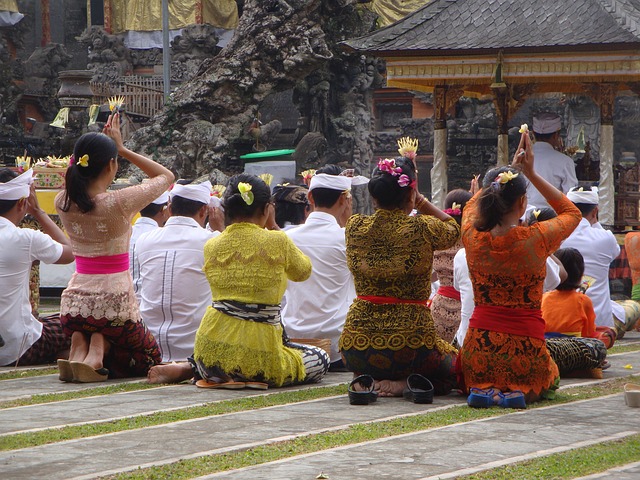
Bali works best when you slow down. Stay in different areas, get up early, and leave room for the small moments, like a village ceremony or a warung lunch, that make the island feel like more than a list of attractions.
← Back to Terra & Tide