
Terra & Tide
Peru

Peru packs an astonishing range of landscapes and cultures into one country. A coastal desert holds a food capital that has become a global culinary destination. The high Andes hide the remains of the Inca Empire, including Machu Picchu, one of the most famous archaeological sites in the world. Beyond the mountains, the Amazon basin spreads out in a vast, humid wilderness of rivers and rainforest. Along the way, living Quechua and Aymara traditions shape festivals, textiles, markets, and daily life.
Peru is rewarding but needs some planning, particularly because of altitude, the logistics of reaching Machu Picchu, and the long distances between regions. This guide covers the best seasons, how to get around, the highlights, and the practical advice that will help you make the most of your trip.
Quick Facts
- Capital: Lima
- Languages: Spanish, Quechua, and Aymara
- Currency: Peruvian sol (PEN)
- Best season: May to September (dry season in the Andes)
- Getting around: Domestic flights, long-distance buses, and trains to Machu Picchu
The Best Time To Visit
For the Andes, including Cusco, the Sacred Valley, Machu Picchu, and the Inca Trail, the dry season from May to September is the most popular time, with clear skies, sunny days, and cold nights. June to August is the busiest period, so book trains, permits, and accommodation far ahead. The wet season runs from roughly November to March, with frequent afternoon rain and sometimes landslides that can disrupt trains and roads, though the mountains are green and there are fewer visitors. The Inca Trail closes in February for maintenance.
On the coast, Lima has a mild, grey, foggy winter from about May to November, and a warmer, sunnier summer from December to April. The Amazon is hot and humid year-round, with the wettest period from December to March, though it is possible to visit throughout the year, and water levels affect which areas are accessible. Altitude is an important factor everywhere in the Andes, so plan some time to adjust.
Getting There And Getting Around
International flights arrive at Lima (LIM), with some international connections also reaching Cusco. Domestic flights are the best way to cover long distances, linking Lima with Cusco, Arequipa, Puerto Maldonado, Iquitos, and other cities in an hour or two. Buses are comfortable on the main routes, with overnight sleeper services available, though journeys can be long and sometimes disrupted by weather. Trains to Machu Picchu run from Cusco, Ollantaytambo, and Urubamba, with a range of service classes.
To visit Machu Picchu, you need a timed entry ticket, bought in advance from the official channels, and in busy periods tickets sell out weeks or months ahead. Rules, circuits, and time slots have changed in recent years, so check the latest requirements. Inside cities, use licensed taxis or ride-hailing apps, and be careful with belongings in crowded areas.
Lima And The Coast
Lima is a sprawling coastal capital with a surprising food scene and a historic centre listed as a UNESCO World Heritage Site. Explore the Plaza Mayor, the colonial churches, and the catacombs of San Francisco, and then head to Miraflores and Barranco for clifftop walks, galleries, and restaurants. Eat ceviche, the national dish of raw fish cured in lime juice, and sample the fusion of Japanese and Peruvian cuisine known as Nikkei. Further south, the Paracas Reserve and the Ballestas Islands offer wildlife, and the oasis of Huacachina has sand dunes for sandboarding.
Cusco And The Sacred Valley
Cusco, the former capital of the Inca Empire, sits at about 3,400 metres. Its stone walls, colonial churches built atop Inca foundations, and cobbled streets are fascinating, and it is the usual base for exploring the region. Spend a couple of days in the city or in the lower Sacred Valley to acclimatise before going higher. In the valley, visit Pisac's market and ruins, the Inca terraces at Moray and the salt pans of Maras, and Ollantaytambo, a living Inca town and the departure point for trains to Machu Picchu.
Machu Picchu And The Inca Trail
Machu Picchu, perched on a ridge above the Urubamba River, is often shrouded in morning mist, and the setting is as impressive as the ruins themselves. Most visitors reach it by train to Aguas Calientes and then a short bus ride, and get a guide to explain the site's history. For a more demanding approach, the classic four-day Inca Trail trek ends at the Sun Gate and requires permits, which sell out months ahead and must be booked through licensed operators. Alternatives include the Salkantay, Lares, and Choquequirao treks, which are quieter but equally spectacular. Consider an extra night in Aguas Calientes to visit early or late in the day.
Lake Titicaca, Arequipa, And The South
Lake Titicaca, shared with Bolivia, is the highest navigable lake in the world. Visit the floating Uros islands and the traditional communities of Taquile and Amantani. Arequipa, the "White City", is built of white volcanic stone beneath snow-capped volcanoes, and offers a beautiful historic centre and the Santa Catalina Monastery. Nearby, the Colca Canyon is one of the deepest canyons in the world and a good place to see Andean condors in flight in the early morning. In the south, the Nazca Lines, giant geoglyphs in the desert, are best seen from a small aircraft.
The Amazon And The North
The Peruvian Amazon can be reached from Puerto Maldonado, Iquitos, or Manu National Park, offering jungle lodges, canoe trips, wildlife watching, and visits to Indigenous communities. The north has Chachapoyas and the Kuelap fortress, as well as the Chan Chan adobe city near Trujillo, and some of the country's best surf and beaches near Mancora. These regions are less visited and rewarding for travelers with more time.
What To Eat
Peruvian cuisine is among the best in the world, combining Indigenous ingredients, Spanish, African, Chinese, and Japanese influences. Beyond ceviche, try lomo saltado (stir-fried beef with onions and chips), aji de gallina (creamy chicken), causa (a layered potato dish), and anticuchos (grilled skewers). The country has thousands of varieties of potatoes and corn, and quinoa is a staple. In the Andes, you may be offered cuy (guinea pig), a traditional dish. Try pisco sour, the national cocktail, and chicha morada, a sweet purple corn drink. Coca tea is widely served in the highlands to help with altitude.
Culture And Etiquette
Peruvians are friendly and polite, and a greeting goes a long way. Ask before photographing people, particularly in Andean communities where locals in traditional dress may expect a small tip. Bargaining is common in markets but not in shops and restaurants. Be respectful at archaeological and religious sites, follow site rules, and avoid touching or climbing on the ruins. Support local communities by buying crafts directly from artisans and by choosing ethical tour operators who pay porters fairly.
Practical Tips
- Check current entry requirements and Machu Picchu ticket and circuit rules before booking
- Book Machu Picchu entry, trains, and Inca Trail permits as far ahead as possible
- Spend at least two days at lower altitude before heading to Cusco and higher
- Pack layers, sunscreen, rain gear, and sturdy footwear for trekking
- Drink bottled or purified water and be careful with raw salads in the early days
- Keep valuables out of sight and use licensed taxis in cities
- Allow two weeks to cover Lima, Cusco, Machu Picchu, and one more region
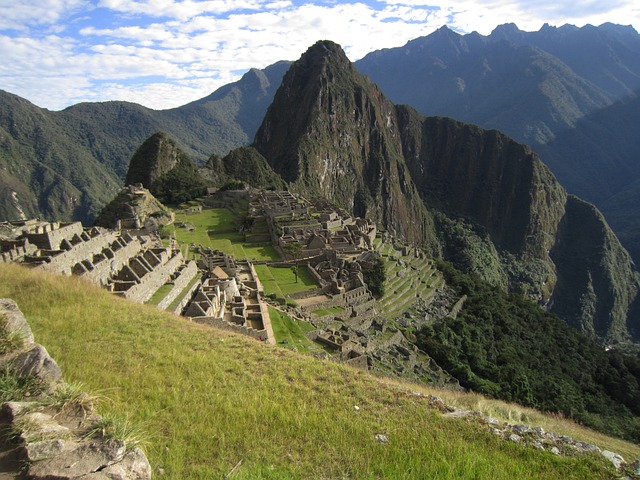
Peru rewards slow travel. Give yourself time to adjust to the altitude, eat well, and take the quieter road, and you will leave with far more than a photo of Machu Picchu.
← Back to Terra & Tide