
Terra & Tide
Portugal
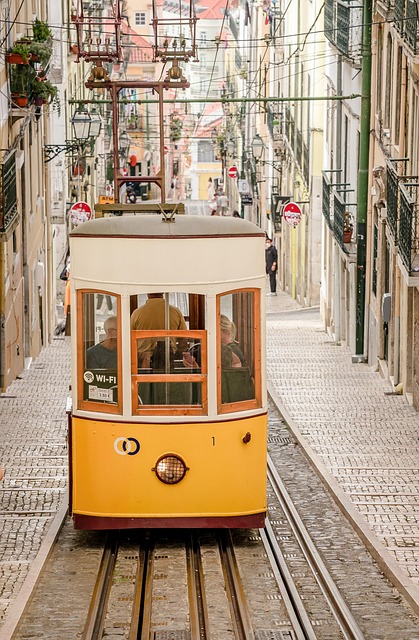
Portugal is compact, affordable by Western European standards, and full of character. Hilly cities of tiled facades and yellow trams, golden cliffs and surf beaches along the Algarve, terraced vineyards along the Douro River, and Atlantic islands with volcanic scenery all fit into a country you can cross in a few hours. The people are warm, the food is excellent and generous, and the pace is unhurried.
This guide covers the best seasons, how to get around, the main regions, and the practical details for a first trip.
Quick Facts
- Capital: Lisbon
- Language: Portuguese; English is widely spoken in tourist areas
- Currency: Euro (EUR)
- Best seasons: April to June and September to October
- Getting around: Trains, buses, rental cars, and domestic flights to the islands
The Best Time To Visit
Spring and early autumn are the sweet spot, with warm sunshine, comfortable sightseeing, and a warm sea in September. July and August are hot and crowded, especially on the Algarve, though the north and the coast stay cooler. Winter is mild and wetter, with fewer visitors and lower prices, and it is a good time for city breaks and big-wave surfing at Nazaré. The Azores and Madeira are green and mild year-round.
Getting There And Getting Around
Lisbon (LIS) and Porto (OPO) are the main airports, with Faro serving the Algarve. Trains run between Lisbon, Porto, and Coimbra quickly, and regional trains and buses reach other towns. A rental car is best for the Alentejo, the Douro Valley, and the Algarve's quieter beaches, but avoid driving in the historic centres of Lisbon and Porto, where streets are steep and narrow. Trams, funiculars, and metros help in the cities.
Lisbon And Sintra
Lisbon spreads across seven hills above the Tagus River. Ride tram 28 early in the day, explore the Alfama's maze of lanes, visit the Belém Tower and the Jerónimos Monastery, and try a custard tart at Belém. Enjoy sunset at a miradouro viewpoint and fado music in a small Alfama or Bairro Alto bar. Sintra, a short train ride away, has fairytale palaces such as Pena and the Moorish Castle; go early, because it fills quickly.
Porto And The Douro Valley
Porto is built on a granite hill above the Douro. Walk across the Dom Luís I bridge, visit the tiled São Bento station, climb the Clérigos Tower, and taste port wine in the cellars of Vila Nova de Gaia. A day trip or an overnight stay in the Douro Valley, one of the world's oldest wine regions, shows terraced vineyards, riverside quintas, and scenic train and boat rides.
The Centre And The Alentejo
Coimbra has one of Europe's oldest universities and a beautiful library. Óbidos is a walled village, and Tomar has the Convent of Christ. The Alentejo to the south is a region of cork oaks, whitewashed hill towns, such as Évora with its Roman temple, and excellent wines and food.
The Algarve And The Islands
The Algarve is known for golden cliffs, sea caves, and sheltered beaches around Lagos and Benagil, and a wilder, quieter coast on the west side near Sagres. Visit in spring or autumn to avoid summer crowds. The Azores, nine volcanic islands in the Atlantic, offer crater lakes, hot springs, and whale watching, while Madeira has levada walks and dramatic mountain scenery.
What To Eat
Portuguese food is built on seafood, simple ingredients, and generous portions. Try grilled sardines in summer, bacalhau (salted cod) in its many forms, caldo verde soup, and francesinha, a hearty Porto sandwich. Pastéis de nata, the custard tarts, are everywhere. Wines include vinho verde, Douro reds, and Alentejo wines, as well as port and ginjinha, a cherry liqueur. Coffee culture is strong, with a bica (espresso) at every corner.
Culture And Etiquette
Portuguese people are polite and a little reserved at first. Greet shopkeepers and expect meals to be unhurried. A small cover charge for bread and olives placed on the table is normal; you can decline items you do not want. Tipping is modest, about 5 to 10 percent for good service. Wear flat, grippy shoes, since cobbled and tiled pavements are slippery when wet.
Practical Tips
- Wear comfortable shoes for steep, cobbled streets
- Book Sintra palaces and popular trams at opening time or in advance
- Watch for pickpockets on trams and in tourist areas
- Use trains between Lisbon and Porto, which are faster than driving
- Check Atlantic swimming conditions, since currents can be strong
- Allow ten days for Lisbon, Porto, and either the Algarve or the Douro Valley
Portugal is a country to enjoy at a gentle pace. Order another coffee, take the slower tram, and stay for the sunset over the river.
← Back to Terra & Tide