
Terra & Tide
Thailand
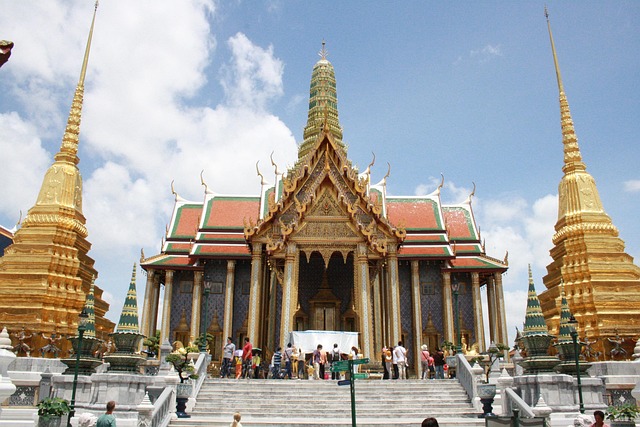
Thailand has earned its place as one of the world's favourite destinations by getting almost everything right. The food is extraordinary, the people are famously welcoming, the beaches are postcard-perfect, the temples are breathtaking, and travel costs are lower than in most of the world. It is a country that suits first-time backpackers, honeymooners, families, and seasoned travelers equally well, with a tourism infrastructure that makes it easy to get from the capital's skyscrapers to a hammock on a quiet island.
Behind the well-known highlights, there is a lot of variety. The north has misty mountains, hill-tribe villages, and a distinct culture; the centre has ancient capitals; the islands of the south range from lively party beaches to peaceful hideaways. This guide will help you choose where to go, when, and how to travel well.
Quick Facts
- Capital: Bangkok
- Language: Thai; English is widely spoken in tourist areas
- Currency: Thai baht (THB)
- Best season: November to February (cool and dry)
- Getting around: Domestic flights, trains, buses, ferries, and tuk-tuks
The Best Time To Visit
The cool, dry season from November to February is the most popular time to visit and has the most comfortable weather across most of the country. It is also the peak season and the busiest and most expensive, especially around Christmas and New Year. From March to May the country heats up dramatically, and April, with the Songkran water festival in mid-April, is the hottest month. Songkran is a joyful, soaking nationwide street party, but it is not for everyone.
The rainy season runs roughly from June to October. It does not mean constant rain; often there are heavy afternoon showers followed by sunshine, and the landscape is green and tourist sites are quieter and cheaper. Note that the west coast islands, including Phuket, Krabi, and Koh Phi Phi, receive their heaviest rain and roughest seas from May to October, while the Gulf islands such as Koh Samui, Koh Phangan, and Koh Tao have a different pattern and are often better from roughly May to September.
Getting There And Getting Around
Most visitors arrive in Bangkok (Suvarnabhumi or Don Mueang), with Phuket, Chiang Mai, and Krabi also served by international and regional flights. Domestic flights are inexpensive and save a lot of time, particularly between Bangkok and the far north or south. Trains are an atmospheric alternative; the overnight sleeper from Bangkok to Chiang Mai is comfortable and a classic Thai travel experience. Buses are cheap and cover almost everywhere, with VIP and first-class services offering reclining seats.
Within cities, use the BTS Skytrain and MRT subway in Bangkok to beat the traffic, ride-hailing apps for convenience, and tuk-tuks for short, fun journeys (agree the price first). Ferries and speedboats connect the islands, though schedules change by season and weather. Renting a scooter is common but risky; accidents are frequent, so ride only if you have experience, wear a helmet, and check your insurance.
Bangkok
Bangkok is loud, hot, and endlessly fascinating. See the Grand Palace and Wat Phra Kaew (the Temple of the Emerald Buddha), then walk to Wat Pho and its giant reclining Buddha, and cross the river by ferry to Wat Arun. Explore Chinatown (Yaowarat), which comes alive at night with some of the best street food in the city, and visit markets such as Chatuchak on weekends. Take a longtail boat through the canals of Thonburi for a glimpse of older Bangkok.
For a break from the heat, there are huge air-conditioned malls, rooftop bars with skyline views, and traditional Thai massage shops everywhere. Dress modestly at temples, with shoulders and knees covered.
Chiang Mai And The North
Chiang Mai, the northern capital, is surrounded by mountains and filled with more than a hundred temples. It is a relaxed place to wander the walled old city, take a cooking class, visit the night markets, and see Doi Suthep temple on the hill above town. Ethical elephant sanctuaries, which focus on rescue and observation rather than riding, are a popular excursion; do your research to choose responsible operators. Further north, Chiang Rai has the striking White Temple, and the mountain town of Pai offers a laid-back, backpacker-friendly atmosphere.
Ayutthaya And Sukhothai
Ayutthaya, a former capital north of Bangkok, is an easy day trip by train or bus and is full of ruined temples and Buddha statues. Sukhothai, farther north, is considered the first capital of a unified Thai kingdom, and its historical park is best explored by bicycle. Both are UNESCO World Heritage Sites and offer a quiet, atmospheric contrast to the energy of the big cities.
The Islands And Beaches
Thailand's islands are a major draw. On the Andaman Sea, Phuket is the biggest and most developed, Krabi has dramatic limestone cliffs at Railay and Ao Nang, and the Phi Phi Islands and Maya Bay are famous for turquoise water, though access to some areas is restricted to protect the environment. Further south, Koh Lanta and the Trang islands are quieter. In the Gulf of Thailand, Koh Samui has resorts and beaches, Koh Phangan is known for its full-moon parties and quiet bays, and Koh Tao is one of the best places in Asia to learn scuba diving.
Pick your island according to the season and your style, and avoid trying to fit too many islands into a short trip, because transfers take time.
What To Eat
Thai food balances sweet, sour, salty, spicy, and bitter, and the best meals are often at a plastic table on the street. Pad thai, green curry, tom yum soup, som tam (green papaya salad), massaman curry, and mango sticky rice are classics, but each region has its own specialities. In the north, try khao soi, a rich coconut curry noodle soup, and sai oua (herb sausage). In Bangkok, look for boat noodles, crispy pork, and Chinese-Thai dishes in Chinatown.
Markets and street stalls are generally safe where there is high turnover and food is cooked fresh in front of you. If you cannot handle heat, say "mai phet" (not spicy). Fresh fruit, including mango, mangosteen, and rambutan, is cheap and delicious in season.
Culture And Etiquette
The monarchy is deeply revered, and it is illegal to insult the royal family, so avoid commenting on it. Dress modestly at temples, remove your shoes before entering buildings, and do not point your feet at people or Buddha images. Never touch someone's head, which is considered sacred. Monks should not be touched by women, and women should give offerings by placing them down rather than handing them over. Greet people with a "wai", a slight bow with palms together, and a smile goes a long way.
Practical Tips
- Check visa and entry requirements for your nationality before you go
- Carry a light scarf or sarong for temples, and a rain jacket in the wet season
- Use bottled or filtered water, and apply insect repellent in the evenings
- Agree on tuk-tuk and taxi prices in advance, or insist on the meter
- Be careful of scams around major tourist sights, such as "closed temple" stories
- Book island ferries and accommodation ahead during peak season
- Allow two to three weeks for Bangkok, the north, and a couple of islands
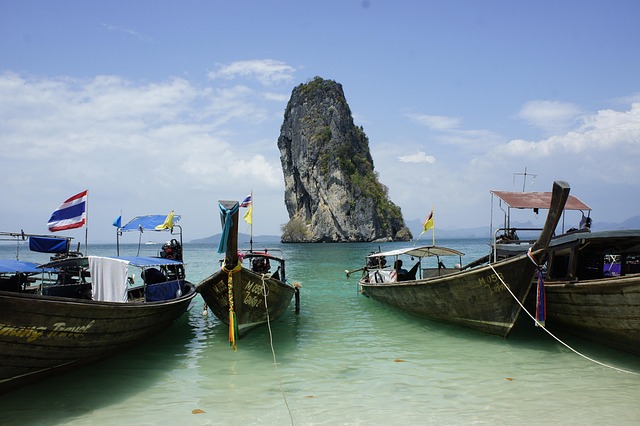
Thailand is a country that is easy to enjoy at any pace. Come hungry, stay curious, and allow yourself a few days with no schedule at all.
← Back to Terra & Tide