
Terra & Tide
the United States
The United States is so large and varied that it feels like several countries stitched together. In a single trip you could walk through Manhattan's canyons of skyscrapers, drive through red-rock deserts in Utah, watch geysers erupt in Yellowstone, eat barbecue in Texas, hear live jazz in New Orleans, and stand on a Pacific beach in California. Its national parks are among the best in the world, its cities are lively and diverse, and its road trips are legendary.
Because of the sheer scale, the key to a good trip is choosing a focus. Trying to see "America" in two weeks usually means spending much of it in airports and rental cars. This guide covers the best seasons, how to get around, the regions and parks worth considering, and the practical details that surprise many first-time visitors.
Quick Facts
- Capital: Washington, D.C.
- Language: English, with Spanish widely spoken
- Currency: US dollar (USD); cards are accepted almost everywhere
- Best seasons: Varies by region; spring and autumn suit much of the country
- Getting around: Domestic flights and rental cars are the main options
The Best Time To Visit
The right time depends on where you are going. Spring (April to June) and autumn (September to October) are the best seasons for much of the country, with comfortable temperatures and fewer crowds than summer. In the Southwest, including the Grand Canyon, Zion, and Arches, spring and autumn are ideal, because summer heat can be extreme. Fall foliage in New England, usually peaking from late September to mid-October, is one of the country's great seasonal sights.
Summer is the best time for the northern Rockies, Yellowstone, Glacier National Park, and Alaska, when roads and trails are open, though these places can be crowded. The Pacific coast is often foggy and cool in early summer but sunny in autumn. Winter suits skiing in Colorado, Utah, and the Sierra Nevada, warm weather in Florida and the Southwest deserts, and city breaks, though the Northeast can be bitterly cold. Hurricane season affects the Gulf and Atlantic coasts roughly from June to November.
Getting There And Getting Around
Major international gateways include New York (JFK, Newark), Los Angeles, San Francisco, Chicago, Miami, Atlanta, and Seattle. Domestic flights connect almost every city and are the fastest way to cover long distances; book in advance and allow time for security and connections. For national parks and scenic regions, renting a car is usually essential. Roads are generally excellent, and distances are large: for example, the drive between Los Angeles and Las Vegas takes around four hours, and from Las Vegas to the Grand Canyon's South Rim about four and a half.
Public transport is strong in a few cities, such as New York, Chicago, Boston, Washington, and San Francisco, but limited elsewhere. Long-distance trains such as Amtrak offer scenic routes, though they are slower and less frequent than in Europe. Check visa and entry requirements carefully before travelling, including the ESTA process for eligible visitors, and apply well ahead of your trip.
The National Parks
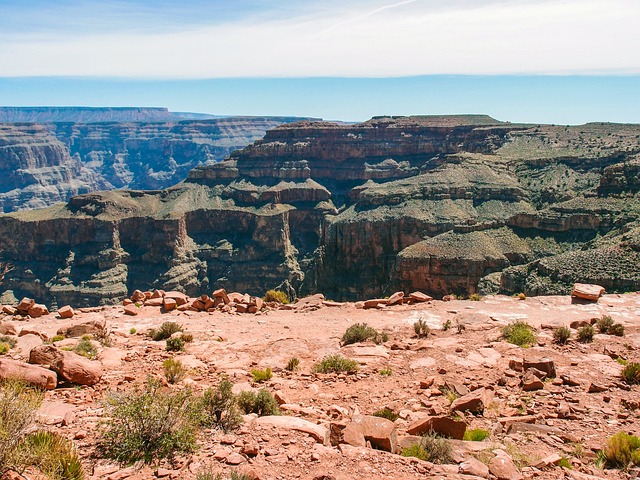
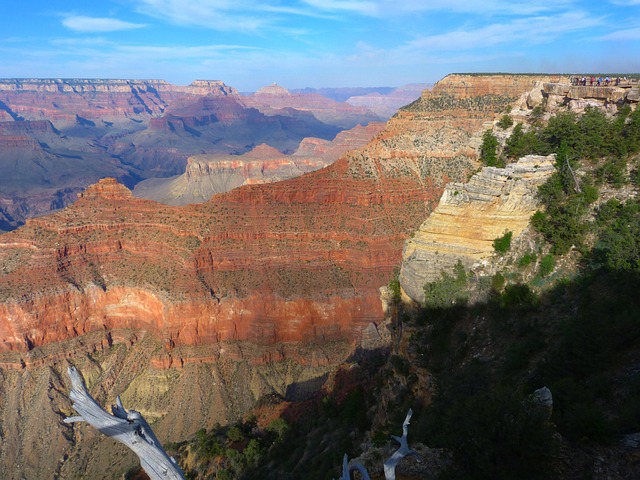
America's national parks are among its greatest attractions. The Grand Canyon in Arizona is a mile deep and up to 18 miles wide, and the South Rim offers easy viewpoints, while hiking into the canyon requires careful planning. In Utah, the "Mighty Five", Zion, Bryce Canyon, Capitol Reef, Arches, and Canyonlands, offer red-rock landscapes, hoodoos, and arches. Yellowstone, in Wyoming, Montana, and Idaho, has geysers, hot springs, and herds of bison, while neighbouring Grand Teton has jagged peaks reflected in lakes.
In California, Yosemite has granite cliffs, waterfalls, and giant sequoias, and Sequoia and Kings Canyon have the largest trees on Earth. Glacier National Park in Montana, Acadia in Maine, and the Great Smoky Mountains in Tennessee and North Carolina offer very different scenery. Many popular parks now use timed-entry or advance reservation systems in peak periods, so check each park's website before you go. An "America the Beautiful" annual pass can save money if you plan to visit several parks.
The Great Cities
New York City is a world in itself, with Central Park, the Statue of Liberty, Broadway, and museums such as the Met and MoMA, along with neighbourhoods from Brooklyn to Harlem. Washington, D.C. has the National Mall, the Smithsonian museums (many free), and monuments. Chicago is known for architecture and deep-dish pizza, while Boston is rich in Revolutionary history. San Francisco has the Golden Gate Bridge and cable cars, Los Angeles offers beaches, Hollywood, and sprawling variety, and Seattle combines coffee culture with views of Mount Rainier.
In the South, New Orleans is famous for jazz, Creole food, and Mardi Gras, Nashville for country music, Savannah for Spanish moss and historic squares, and Miami for beaches and Latin culture. Austin has a thriving live music scene and Texas barbecue.
Classic Road Trips
Few countries are better for road trips. The Pacific Coast Highway along California's coast passes Big Sur, Monterey, and Santa Barbara. Route 66, from Chicago to Santa Monica, takes in kitschy diners, motels, and small towns. The Southwest loop of Utah's parks, Monument Valley, and the Grand Canyon is a classic, as is the Blue Ridge Parkway in the Appalachians and the Overseas Highway to Key West. Build in time for detours, and avoid driving long distances at night in remote areas.
Hawaii And Alaska
Hawaii offers volcanoes, beaches, hiking, and snorkelling across several islands, each with its own character: Oahu for Honolulu and surfing, Maui for beaches and the road to Hana, the Big Island for active volcanoes, and Kauai for lush cliffs and waterfalls. Alaska is the country's last great wilderness, with Denali National Park, glaciers, whales, and bears, best from June to August. Both require long flights and careful planning, and are usually best treated as separate trips.
What To Eat
American food is regional and varied. Try barbecue in Texas, Kansas City, Memphis, and the Carolinas, each with its own style. New York has pizza, bagels, and deli sandwiches, Chicago has deep-dish pizza and hot dogs, and New England has clam chowder and lobster rolls. In the South, look for fried chicken, biscuits, and gumbo, and in the Southwest, Tex-Mex and green chile dishes. California is known for fresh produce, farmers' markets, and fish tacos, and the Pacific Northwest for seafood and coffee. Diners, food trucks, and local breweries are a big part of the culture.
Portions are large, so sharing is common. Tipping is expected: typically 18 to 20 percent in sit-down restaurants, and tip taxi drivers, hotel staff, and tour guides as well. Prices on menus and shelves usually exclude sales tax, which is added at the register.
Culture And Etiquette
Americans are generally friendly and informal, and small talk with strangers is normal. Tipping is part of workers' wages, so do not skip it. Respect personal space and queues, and be aware of the diversity of cultures and views across the country. Always follow the rules in national parks: stay on trails, keep a safe distance from wildlife, carry plenty of water, and pack out your trash. Be aware that laws about alcohol, smoking, and cannabis vary by state, and the legal drinking age is 21.
Practical Tips
- Check visa and ESTA requirements and apply well before your trip
- Buy travel health insurance, since medical care can be very expensive
- Book national park lodging, campsites, and timed entry well in advance
- Do not underestimate distances, and plan fewer, longer stops
- Carry a physical map or offline maps, since mobile coverage drops in remote areas
- Keep your fuel tank topped up when driving through deserts and mountains
- Allow two to three weeks for a regional road trip combining a few parks and cities
The best American trips pick a region and go deep. Choose a road, a park or two, a couple of cities, and give each time to breathe.
← Back to Terra & Tide